The DIGITWATER project successfully conducted the first Integrated Project (IP) from 1st to 13th March 2026. Hosted by Kyambogo University, this milestone initiative engaged students in addressing practical water-related challenges.
The IP brought together over 60 participants, including professors, students and technical experts from partner institutions: University of Cape Town (UCT), University of KwaZulu-Natal (UKZN), and University of the Western Cape (UWC) in South Africa; Kyambogo University and Makerere University in Uganda; Bahir Dar University and Arba Minch University in Ethiopia; and Vrije Universiteit Brussel and KU Leuven in Belgium. Additionally, experts from the Ministry of Water and Environment, Kyoga Water Management Zone, took part in the IP, guiding the team to different areas of the catchment during data collection.
The IP was carried out in the Manafwa catchment, a sub-catchment of the Mpolongma catchment within the Lake Kyoga basin in Eastern Uganda. This area is particularly vulnerable to flooding and landslides, irrigation for rice growing, water quality issues, and implementation of various nature-based solutions. These variability informed its selection as a study site for the IP.
The IP activities were conducted over two weeks. The first week involved fieldwork in Manafwa catchment, where data for various thematic areas were collected, while the second week focused on data analysis and the preparation of reports.
Six thematic areas were explored in the Manafwa catchment, namely
-
Land Use Land Cover Changes
-
Irrigation Agronomy
-
Catchment hydrology
-
Nature based solutions
-
Canal infrastructure
-
Water quality
The key outcomes from IP includes;
-
Practical experience in solving complex and multidisciplinary problems.
-
Dissemination of IP results to stakeholders.
-
Poster presentations by all the 6 groups/thematic areas.
-
Collaboration and knowledge-sharing among partner institutions and stakeholders in the educational process.
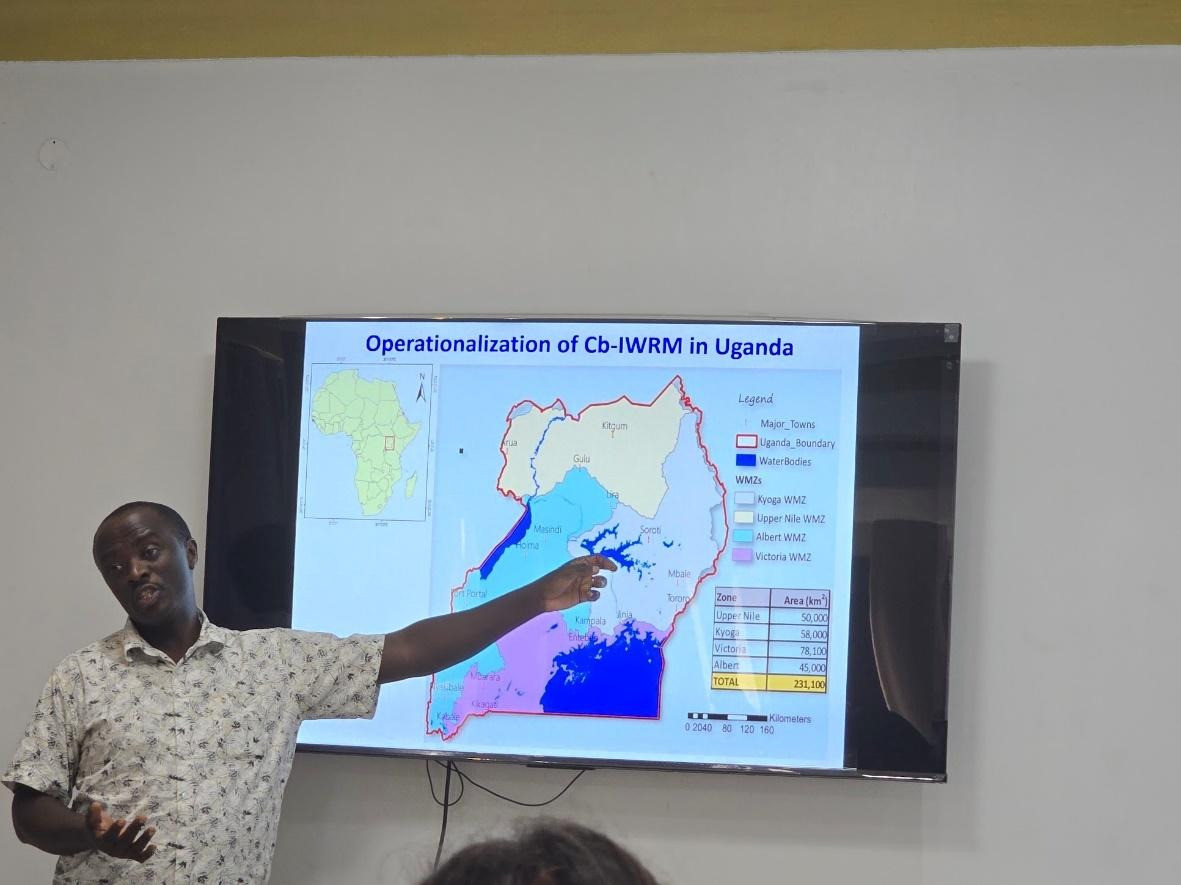
Eng. Maximo Twinomuhangi, the manager of Kyoga basin water management zone giving highlights to IP participants on Current water management in the Lake Kyoga basin and particularly the Manafwa catchment where IP was implemented.
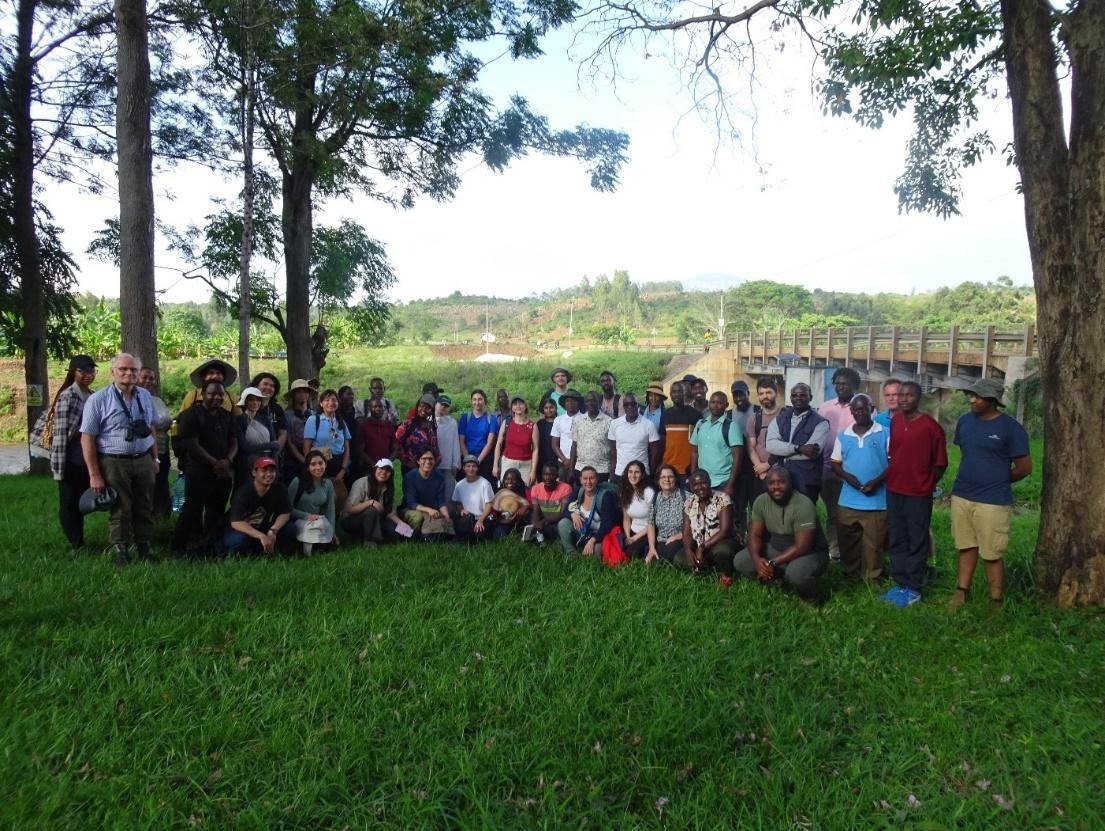
Partners and students participating in IP pose for a photo at the outlet of the Manafwa catchment, together with the Kyoga basin water management zone manager, Eng. Maximo Twinomuhangi.
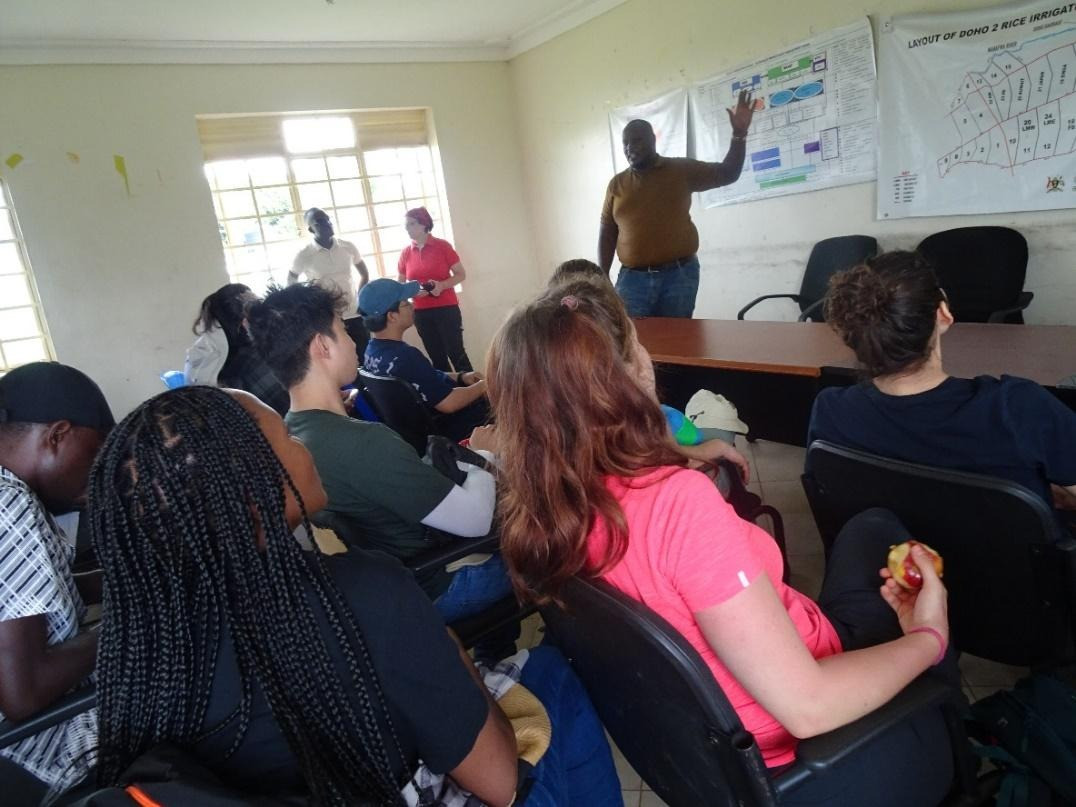
Staff of Doho irrigation scheme giving a talk on the background and current management of the scheme.
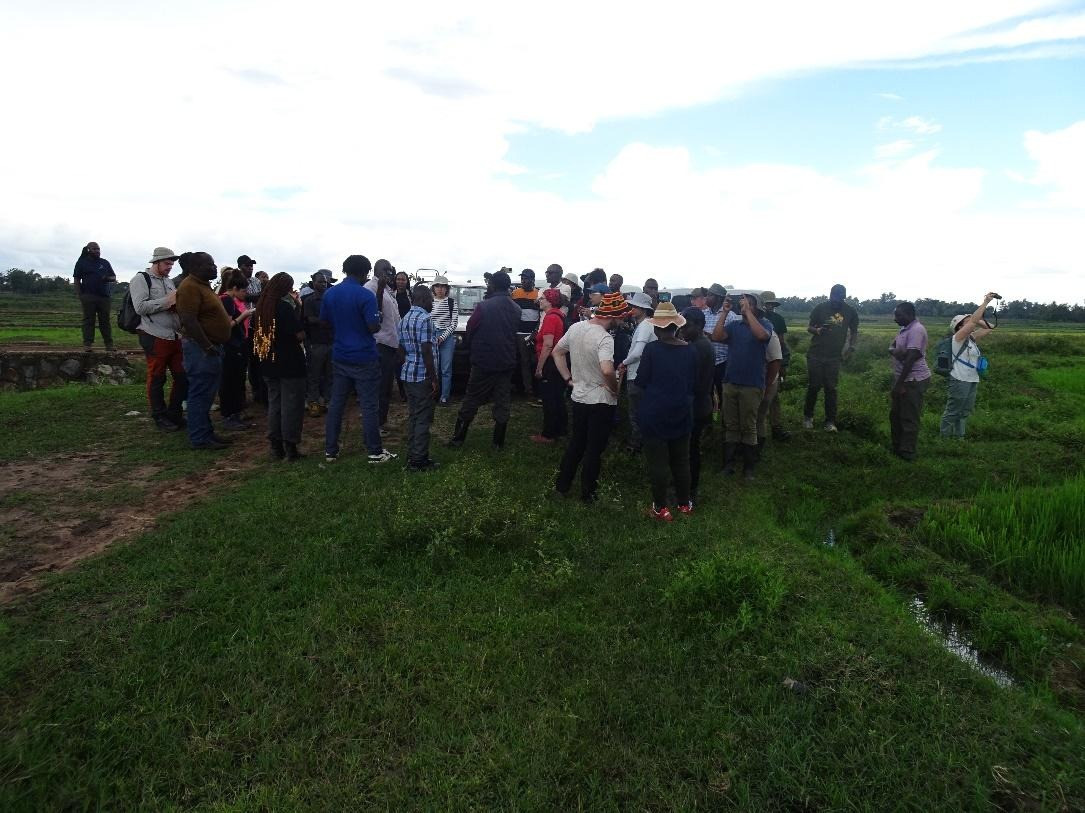
A visit to Doho irrigation scheme.
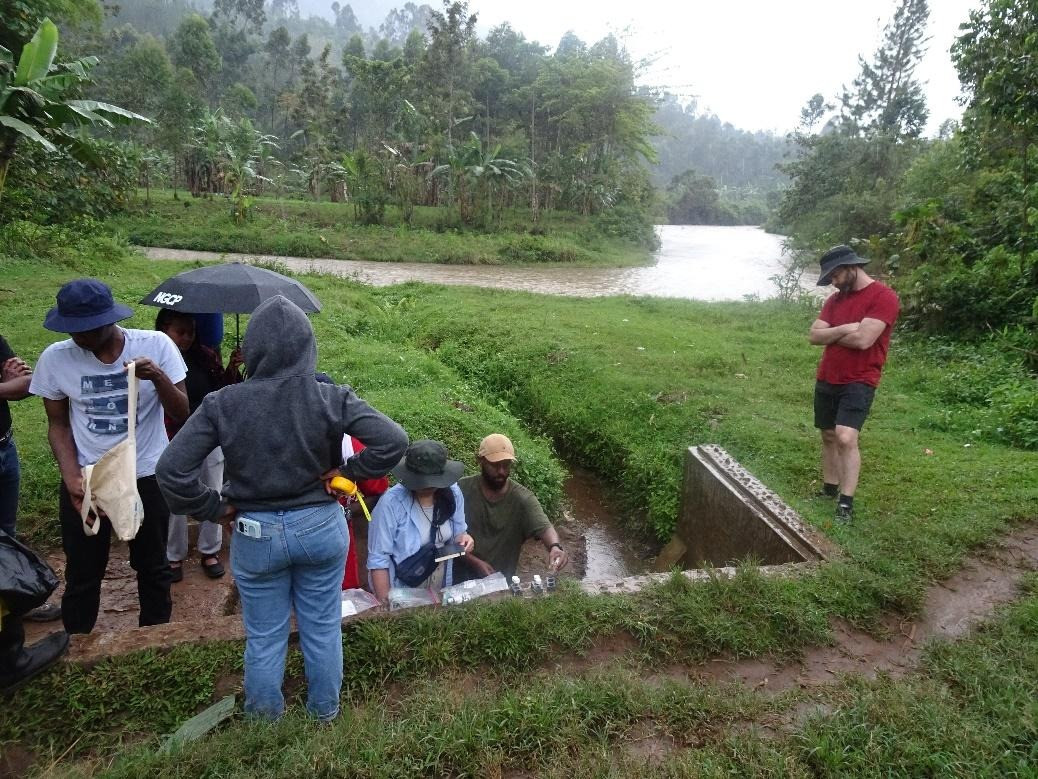
Water quality in-situ measurements for the middle Manafwa Catchment.
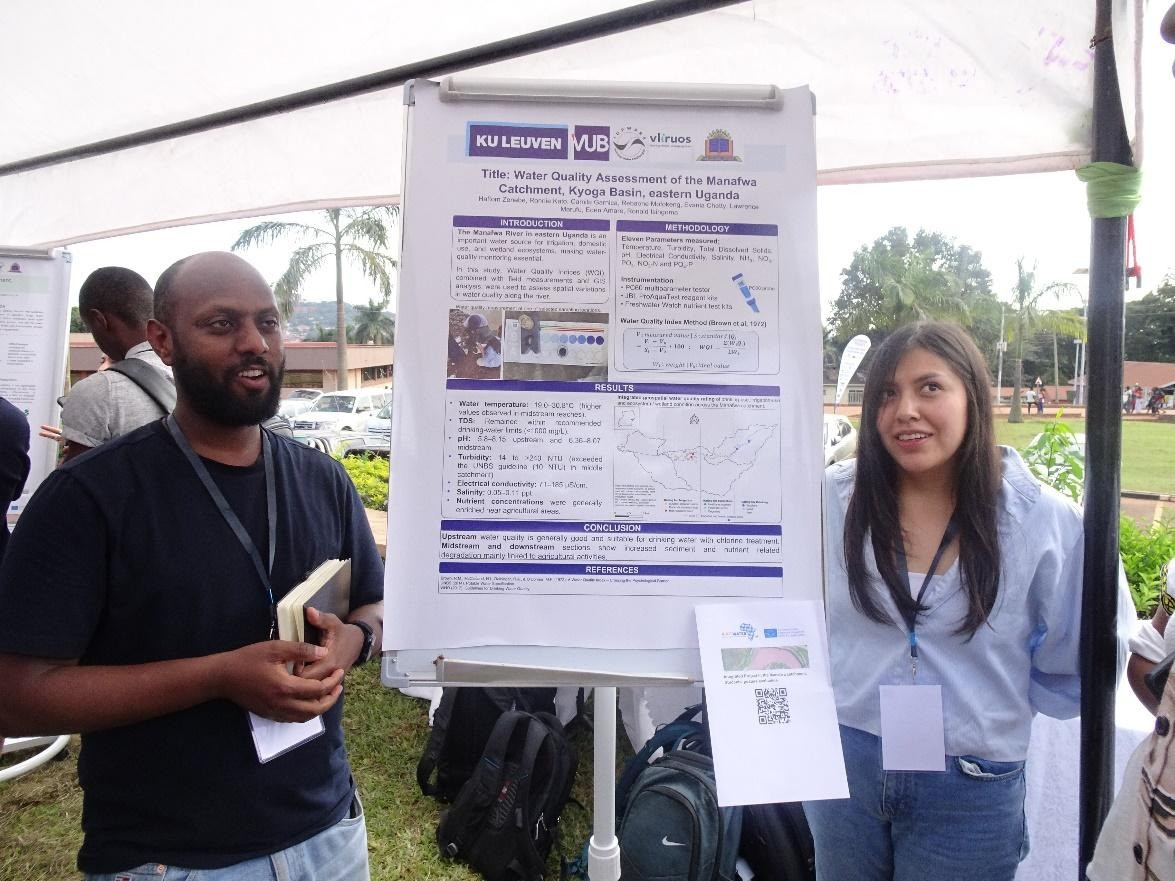
Poster presentation session by the students from the participating universities.
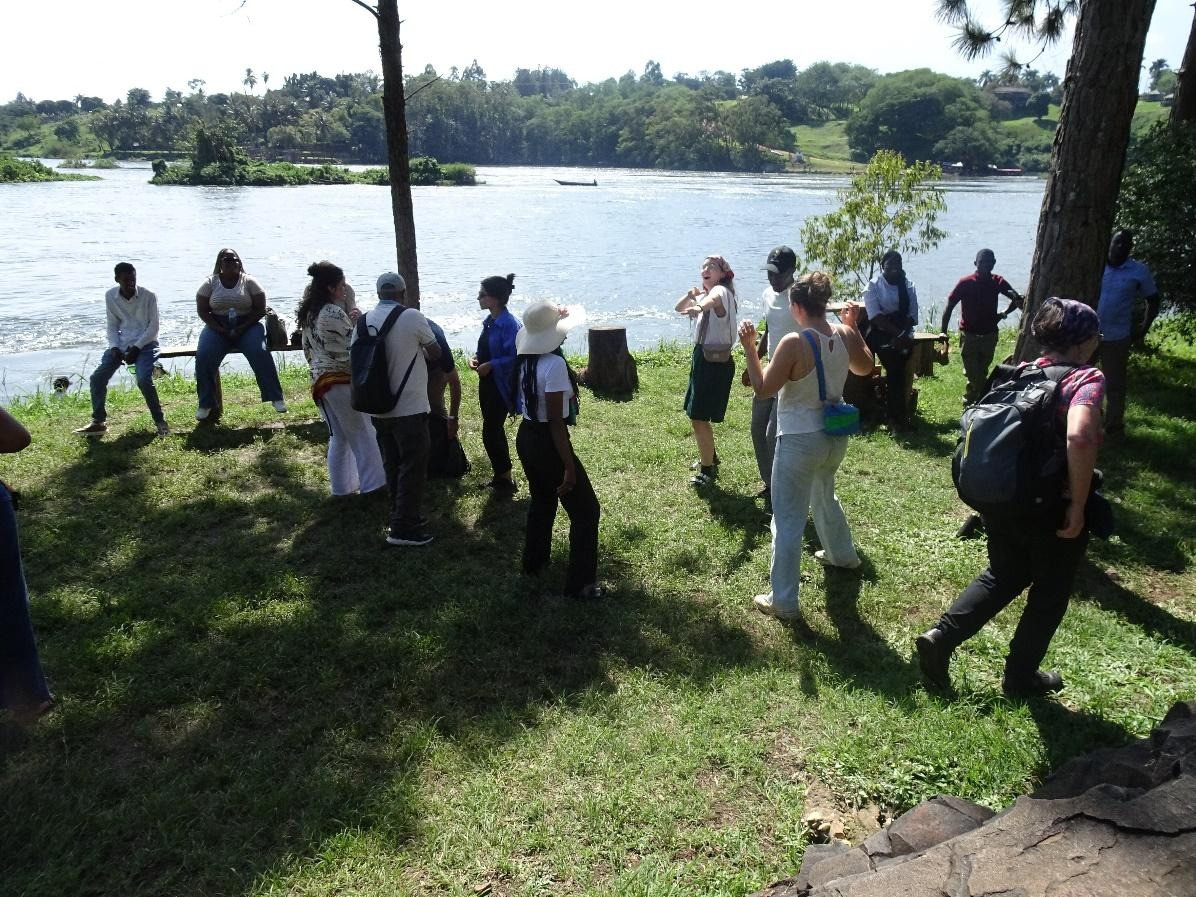
A visit to the source of the River Nile, Jinja, Uganda.